
Déjà vu as Troopers arrest two men after CBP officers seize 764 more pounds of khat at Dulles Airport
STERLING, Va. – Lightning struck twice as two men were arrested on the morning of Aug. 20 after U.S. Customs and Border Protection officers discovered a combined 764 pounds of khat in their baggage at Washington Dulles International Airport.
Virginia State Police troopers charged Dorian Lamin Cham, 33, of Woodstock, Ga., and Dama Jawara, 33, of the Bronx, N.Y., on felony charges of possession with the intent to distribute and transporting a controlled substance into the Commonwealth of Virginia.
CBP officers initially referred Cham and Jawara separately to a secondary inspection after they arrived on respective flights from Casablanca and Paris. Each man possessed seven checked bags and a carry on. Officers inspected their suitcases and discovered a commercial quantity of a dried organic substance wrapped in multiple bundles in all bags. Field tests identified the organic substance as khat (Catha edulis).
The khat weighed a combined 764 pounds and has a street value of about $90,000.
CBP officers seized the khat and turned Cham and Jawara over to Virginia State troopers.
“These arrests should be a warning to all would-be smugglers that the small fee drug trafficking organizations are paying you to haul khat and other illicit drugs won’t cover the cost of the severe consequences you’ll face when Customs and Border Protection officers catch you,” said CBP Area Port Director Christine Waugh, Area Port of Washington, D.C. “We appreciate our partners willingness to hold these smugglers accountable and help us put an end to this brazen khat smuggling trend.”
CBP officers are seeing an increase in khat being smuggled in traveler baggage. On August 14, Metropolitan Washington Airports Authority police arrested a New York man after CBP officers seized 368 pounds of khat in his baggage. CBP officers also seized 412 pounds of khat and 847 pounds of khat in separate seizures last week at Baltimore Washington International Thurgood Marshall Airport.
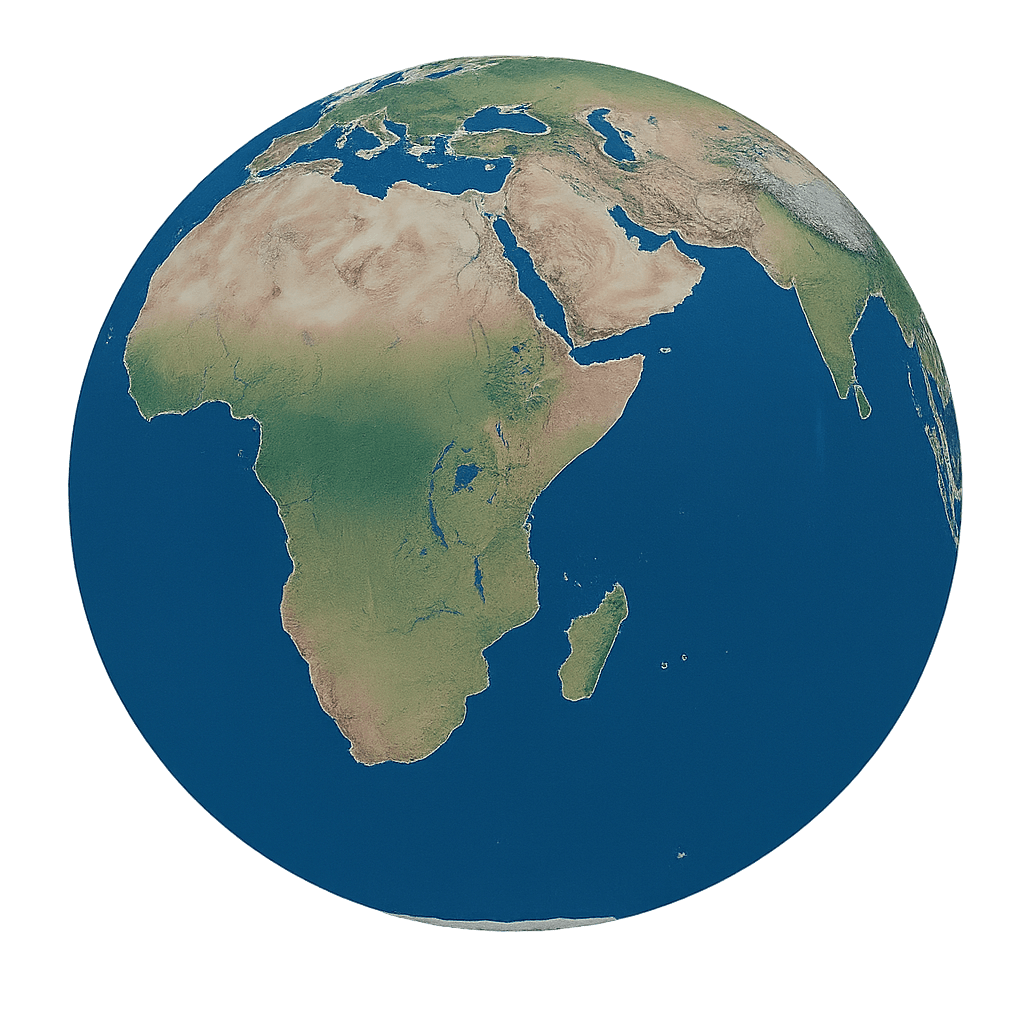
Khat, known as Abyssinian tea and African salad, is typically grown in East Africa and the Arabian Peninsula and is chewed for its amphetamine-like effect. Users also boil dried khat leaves to create a stimulant tea.
According to the DEA, khat contains two central nervous system stimulants -- cathinone, which is classified as a Schedule I controlled substance, and cathine, a Schedule IV controlled substance. Symptoms of khat toxicity include delusions, loss of appetite, difficulty breathing, and increased blood pressure and heart rate. The World Health Organization classified khat as a drug of abuse in 1980.
CBP officers and agents seized about 46,000 pounds of khat last fiscal year (Oct. 1, 2024, through Sept. 30, 2025) and seized nearly 19,000 pounds of khat during the first nine months of this fiscal year (Oct. 1, 2025, through July 31, 2026).
Every day, CBP officers and agents seized an average of about 1,600 pounds of dangerous drugs last year at and between our nation’s air, sea, and land ports of entry. See CBP’s enforcement stats to learn about what else CBP is encountering at our nation’s borders.
CBP's border security mission is led at our nation’s Ports of Entry by CBP officers and agriculture specialists from the Office of Field Operations. CBP screens international travelers and cargo and searches for illicit narcotics, unreported currency, weapons, counterfeit consumer goods, prohibited agriculture, invasive weeds and pests, and other illicit products that could potentially harm the American public, U.S. businesses, and our nation’s safety and economic vitality.
Learn more at www.CBP.gov.
Follow the Director of CBP’s Baltimore Field Office on X at @DFOBaltimore and CBP’s Office of Field Operations on Instagram at @cbpfieldops.
Legal Disclaimer:
EIN Presswire provides this news content "as is" without warranty of any kind. We do not accept any responsibility or liability for the accuracy, content, images, videos, licenses, completeness, legality, or reliability of the information contained in this article. If you have any complaints or copyright issues related to this article, kindly contact the author above.
